
Top 5 Water Safety Skills Every Child Should Learn
Why Water Safety Comes First
In a sun-drenched country like Australia, swimming isn’t just a recreational pastime—it’s a life skill. With pools in nearly every backyard and beaches just a short drive away, children are often introduced to water from a very young age. But comfort in the water doesn’t equal safety. Drowning remains one of the leading causes of accidental death in children under five, and many of these tragedies occur in familiar, often supervised environments.
That’s why water safety isn’t something to be left until “later.” It needs to be woven into every child’s learning journey from the moment they first dip their toes into a pool. The foundation of swim education isn’t just about learning strokes, it’s about equipping kids with the instinctive skills and understanding they need to stay safe, react calmly and enjoy the water responsibly.
Whether your child is starting lessons as a baby or entering a class for the first time in primary school, the following five water safety skills are essential building blocks in their swim journey.
1. Getting In and Out Safely
One of the most overlooked but critical skills for young swimmers is knowing how to enter and exit the water correctly. While it might seem simple, children who don’t understand the risks can easily slip, jump into unsafe areas or misjudge pool depth.
Teaching kids to use the pool’s edge, steps or ladders fosters both awareness and caution. Children should be encouraged to practise sitting down first, then turning around and sliding into the water, particularly if the pool edge is high. When exiting, learning to “elbow, elbow, tummy, knee” (a method commonly taught in swim schools) empowers even the youngest swimmers to leave the water safely without help.
More importantly, these habits instill respect for water. Kids begin to understand that pools aren’t playgrounds—they’re environments where awareness and control are vital.
2. Floating and Treading Water
Floating and treading water are lifesaving skills. If a child accidentally falls into a body of water, their ability to stay afloat until help arrives could mean the difference between panic and survival.
Floating is usually taught early in baby and toddler programs. It helps children get used to the feeling of buoyancy and being supported by water. Back floating, in particular, promotes calm breathing and builds confidence. As they grow, children learn how to use their arms and legs to tread water, keeping themselves vertical and their heads above the surface.
These skills aren’t just important in emergencies, but they're also crucial for when a swimmer becomes tired or disoriented. The ability to stop, float and catch their breath can prevent exhaustion and give them the confidence to keep going.
3. Breath Control and Underwater Awareness
Many children fear putting their faces in the water—and understandably so. It's a daunting concept for a child without experience underwater, but overcoming that fear is essential for long-term swim success. Breath control is the first step toward learning strokes, diving and even playing safely in pools or at the beach.
It starts with simple bubble-blowing exercises to teach exhaling underwater, followed by holding their breath for short intervals. As confidence grows, children begin to submerge, open their eyes, and orient themselves below the surface. These experiences help them remain calm and alert when underwater, preparing them for real-world scenarios like unintentionally going under or retrieving an item from the pool floor.
Proper breath control also supports stroke development later on. Rhythm, timing and energy efficiency all rely on being comfortable with when and how to breathe during movement.
4. Safe Movement in Water
While many parents focus on freestyle and backstroke, the ability to simply move through water efficiently is a more critical safety measure, especially for beginners.
Safe movement involves using arms and legs to paddle, kick and glide. These actions help children move toward safety, whether that’s a pool wall, floating object or shallow area. Swim schools often introduce modified movements first, like dog paddling or assisted kicking, before progressing to more structured strokes.
Children also learn how to turn and change direction in water, stay low and balanced, and avoid sudden jerky movements that might cause them to lose control. Over time, this kind of practical body awareness creates safer, more confident swimmers who can navigate different water environments with ease.
5. Knowing What to Do in an Emergency
It’s not enough for children to develop physical skills—they also need to learn how to respond mentally in an emergency. Understanding how to get help, stay calm and make smart decisions is critical.
This includes teaching children how to call out clearly, recognise when someone is in distress and, most importantly, never jump in to “rescue” someone. Attempting to save a peer without training often results in both parties needing assistance. Instead, children should learn to alert an adult, find a flotation device or extend something toward the person while staying safely on land.
In many swim programs, safety weeks or themed lessons reinforce these ideas with roleplay and supervised simulations. These sessions build awareness and equip children with practical, age-appropriate knowledge that can be used in real-life situations.
Bonus Tips for Parents
- Keep lessons consistent: Repetition reinforces muscle memory and builds confidence. Try not to skip weeks or terms unless absolutely necessary.
- Model safe behaviour: Kids mirror adult actions. Always follow pool rules, avoid running near water and never leave children unsupervised.
- Practise at home: Talk through safety rules regularly and practise floating or kicking in the bath or backyard pool.
- Celebrate progress: Milestones matter. Whether it’s putting their face in the water for the first time or treading for 30 seconds, praise their effort and growth.
Build Safety and Confidence With Us
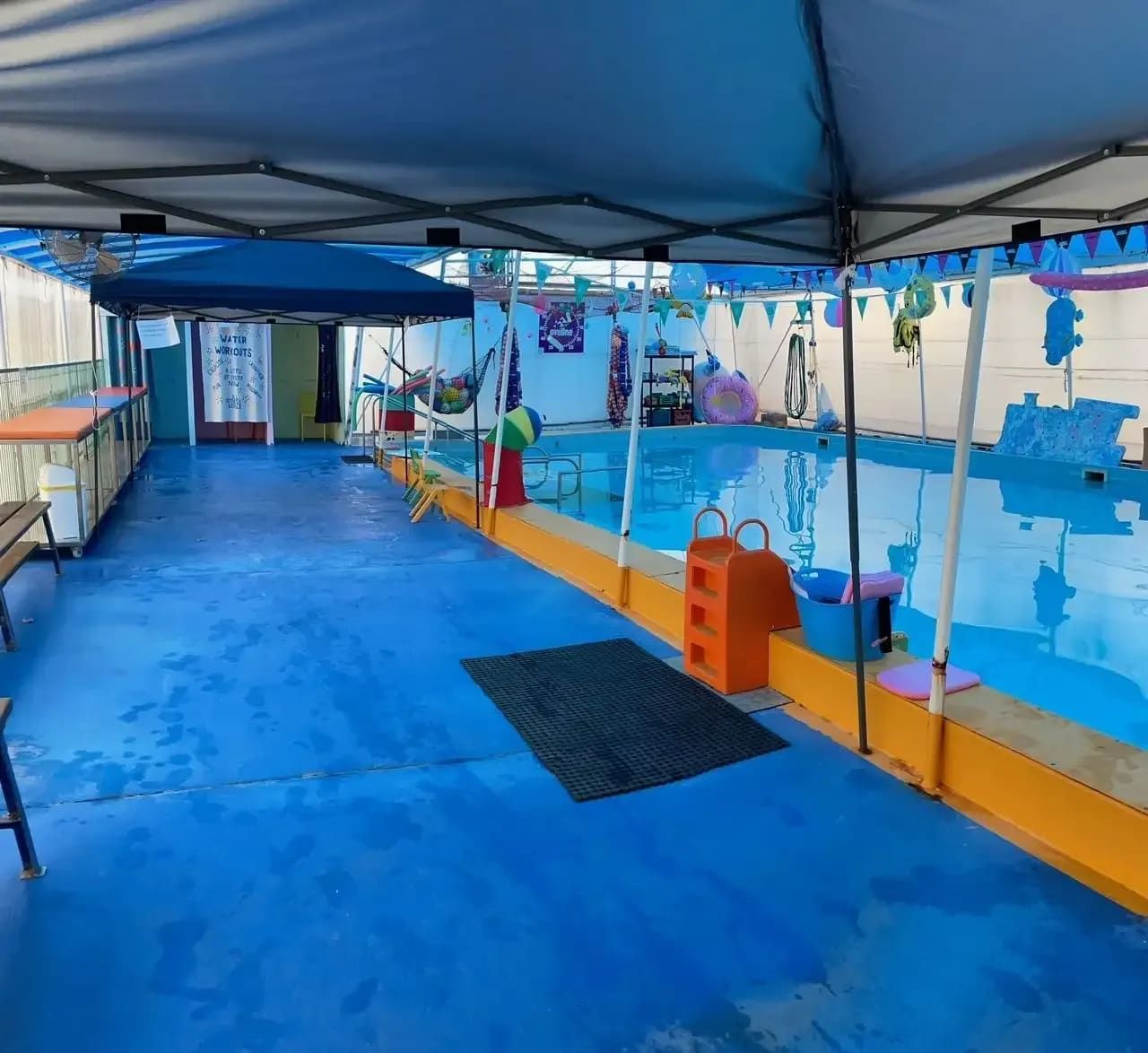
At Affinity Swim, we’ve been helping Rockhampton families build safe, confident swimmers since 1995. Our heated, enclosed pool and small class sizes create the perfect environment for children to master essential water safety skills in a fun, supportive space.
Ready to start your child’s swim journey? Call
07 4926 2882 today to book a trial lesson and experience the Affinity Swim difference.


